Storm Kristin: Five dead; disaster declared; hundreds of thousands without power; Leiria hardest hit; what’s next
A special storm update on Friday, January 30, 2026.

This is a special update after a disaster situation was declared for Storm Kristin. A full Portugal Weekly will be back as normal on Tuesday.
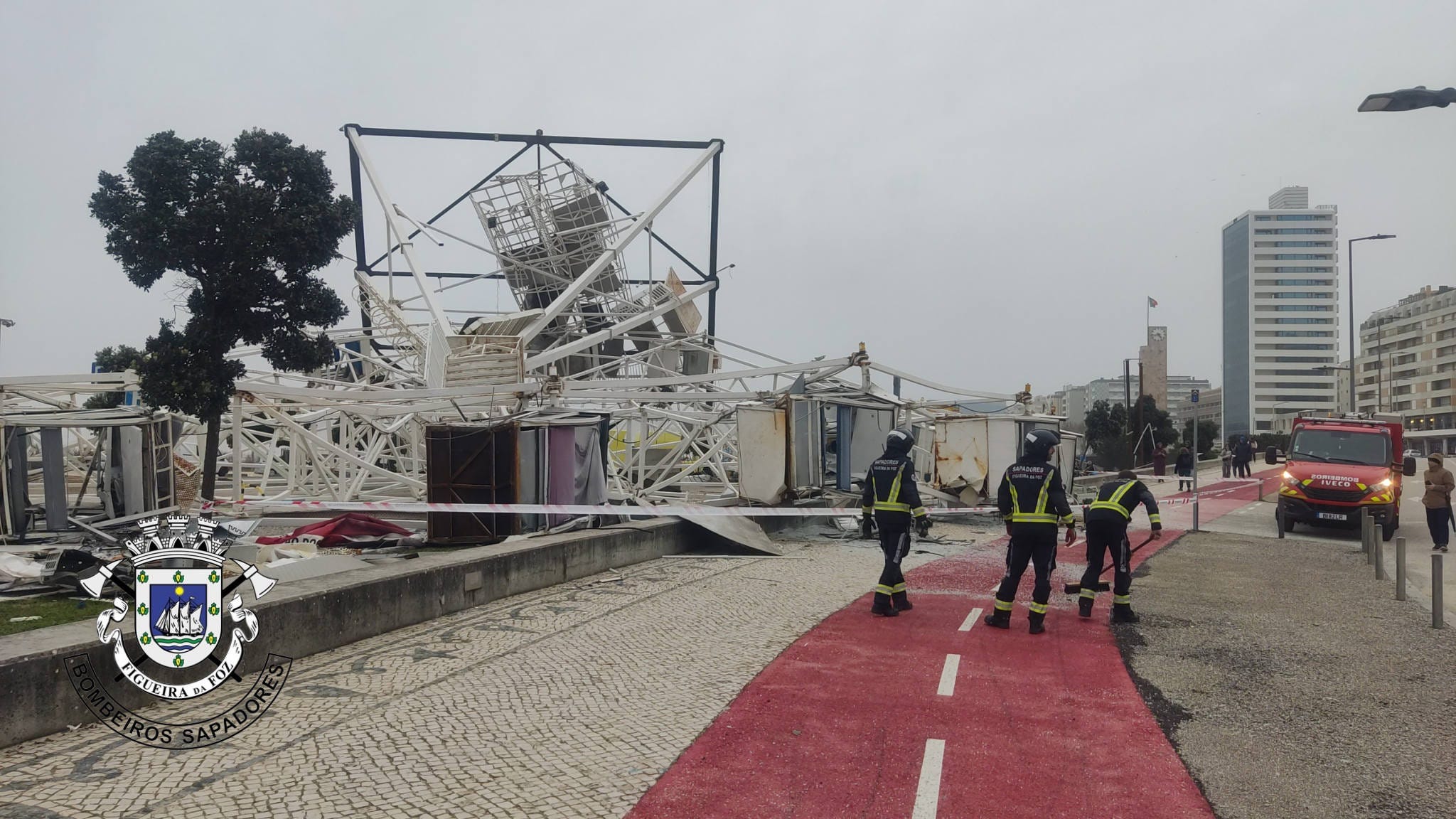
A disaster situation has been declared in the areas worst hit by Storm Kristin, which left five people dead, caused widespread damage and knocked out power to hundreds of thousands. The weather system included a “bomb cyclone” and a so-called “sting jet”, a rare strong descending current that leaves a mark like a scorpion’s tale on satellite images, Público reports. Wind gusts hit 149km/h at the official Portuguese Institute for Sea and Atmosphere station in Carvoeiro but a gust of 176km/h at the Monte Real Air Base would need to be verified to see if it matched the strongest on record. A 209km/h gust hit in Soure, 524 metres above sea level, where measurements are often much stronger than on the ground.
Five dead
The storm left behind it a trail of destruction and despair, particularly in the Centre and South regions of the country, Público reports. The National Emergency and Civil Protection Authority (ANEPC) declared five victims had died. A 28-year-old woman died when she was trapped in the structure where she’d been living for only two weeks and a 38-year-old man died when he was hit by a sandwich panel while trying to save the annex of the family home. In nearby Porto de Mós, a solar panel worker, 55, died from a heart attack. A 40-year-old driving a bread van died when it was hit by a falling tree in Vila Franca de Xira and in Silves, in the Algarve, an 85-year-old Dutch woman died when her car was swept away by flood waters. A 34-year-old whose death was announced by the Marinha Grande council, also in the Leiria district, was not counted in the ANEPC figures.
Leiria hardest hit
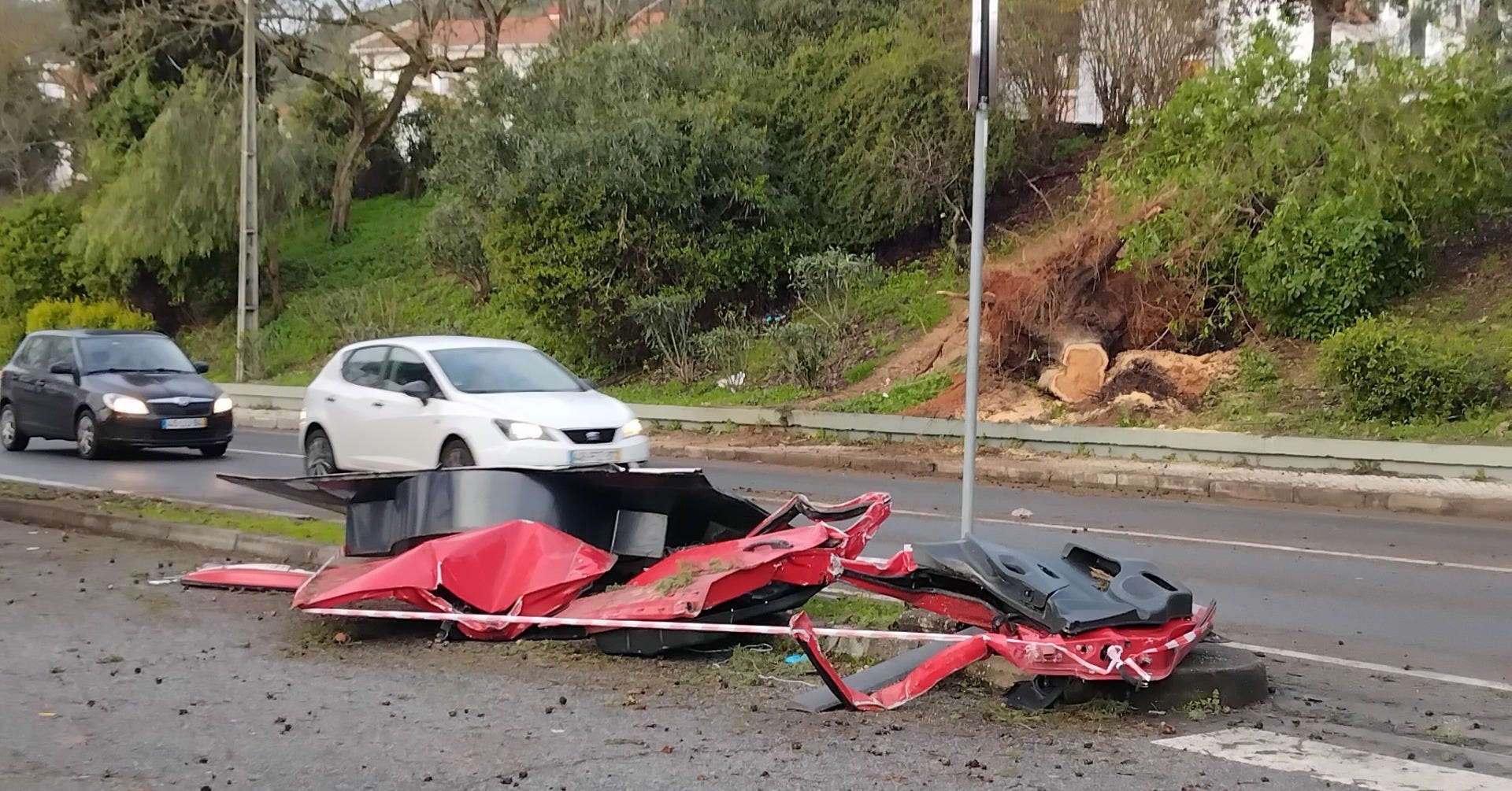
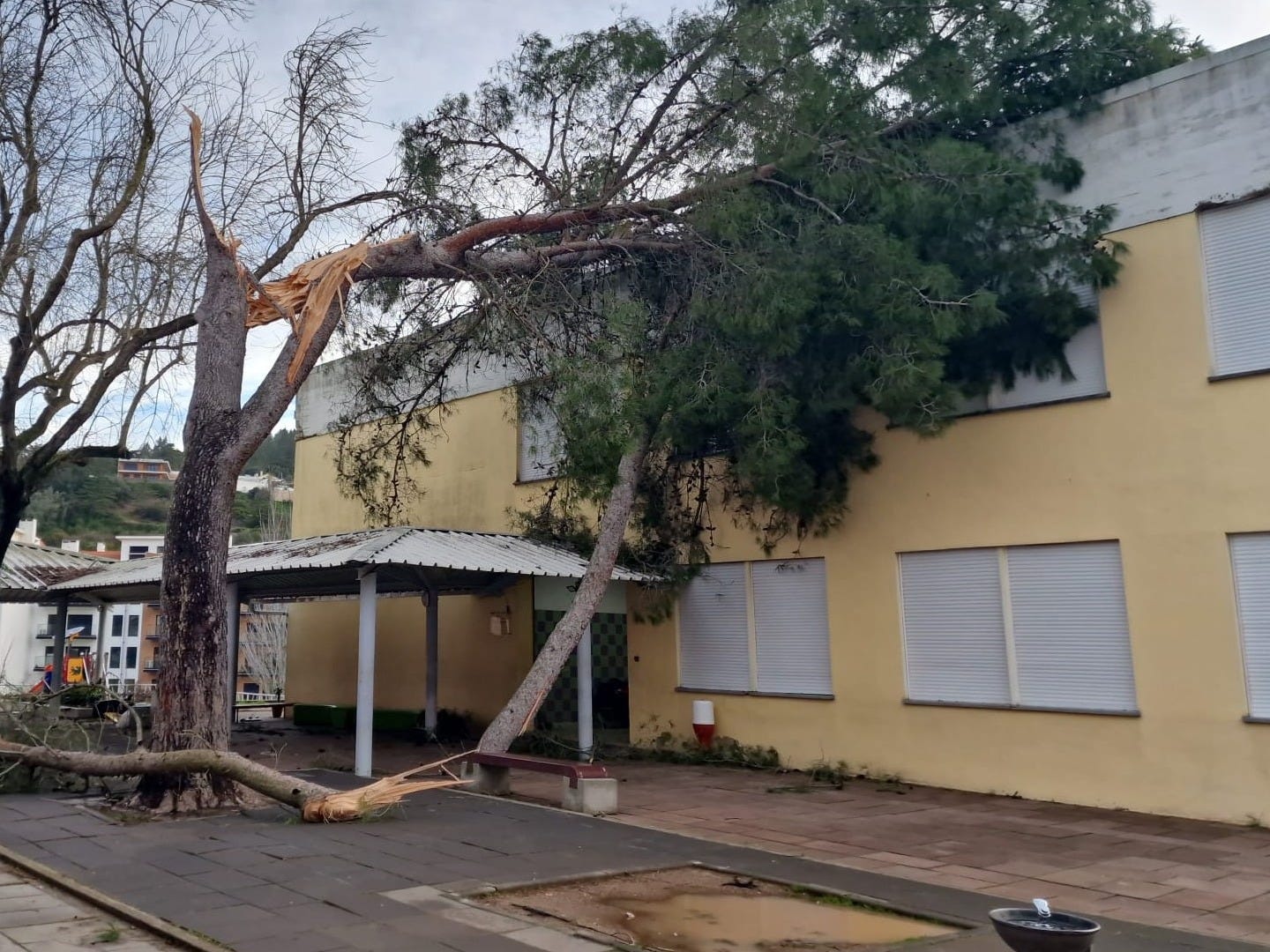
In Leiria, an Expresso gallery shows fallen trees, blocked roads, damaged vehicles and whole neighbourhoods in the dark. Kristin left the country’s worst affected council area essentially isolated for hours, without electricity, regular water supply or mobile networks. The centre of the city showed tree trunks blocking paths, street lights leaning over or fallen on the ground and roof tiles blown all over the place, with cafés and shops still closed on Thursday.
Hundreds of thousands without power
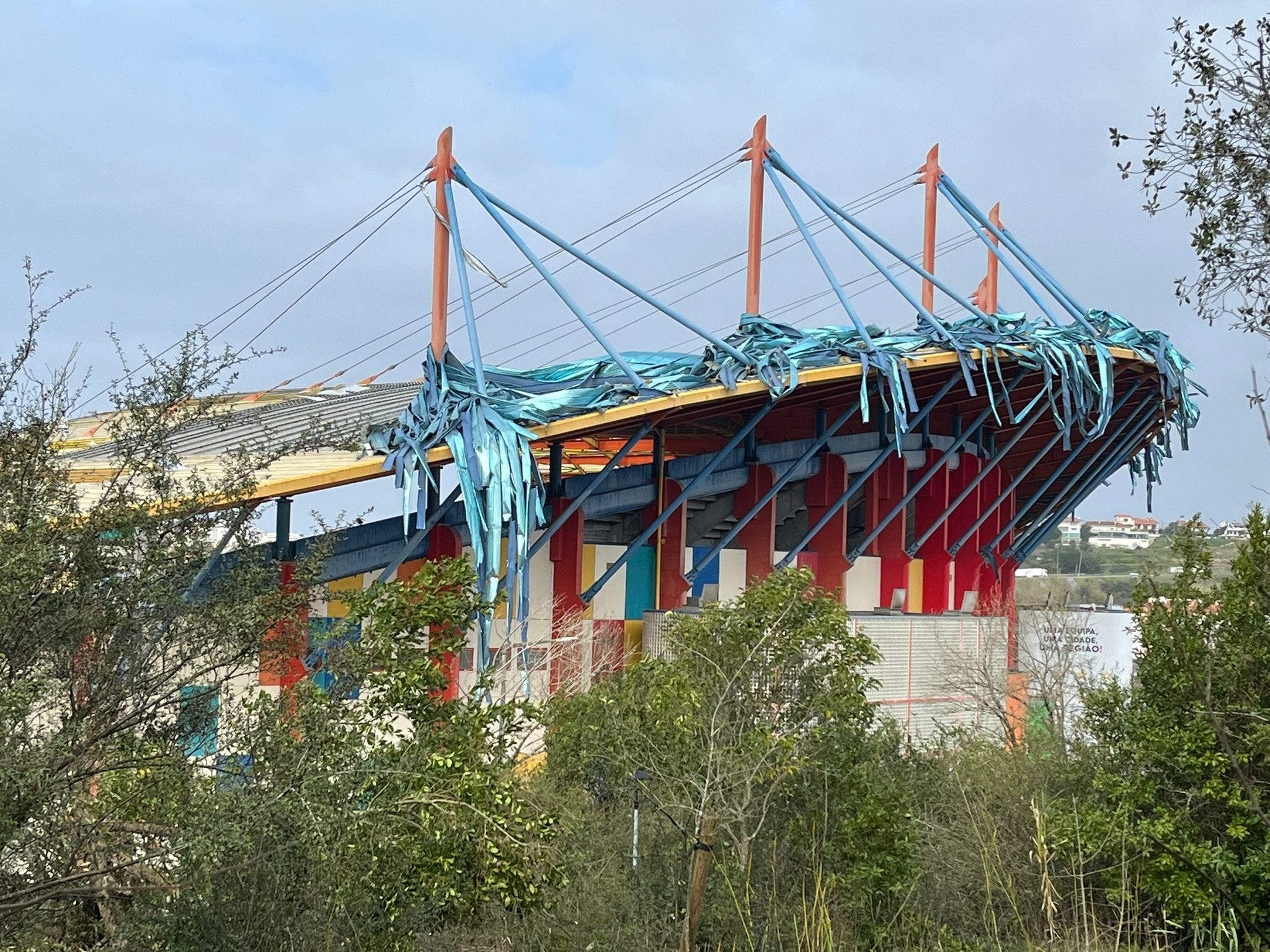
More than 400,000 people were still without power on Thursday afternoon, Público reports, down from a peak of about 1 million. Main network operator E-Redes, which supplied the figures, hoped to have many people reconnected “soon” but admitted getting everyone back online “could take more time”. The vast majority of the outages (290,000) were in Leiria but Santarem (42,000), Coimbra (34,000), Portalegre (27,000) and Castelo Branco (11,000) also had significant numbers of people without power.
Disaster declared
The disaster declaration made on Thursday will last until at least Sunday in 60 municipalities, along with as-yet-unspecified levels of government help for those hardest hit, Público reports. Prime Minister Luís Montenegro visited Leiria, Ansião and Coimbra, warning the effects of the storm would be widespread and some supply chain issues could last for weeks or months. He said the government had been in contact with the European Commission for help with financing and rejected criticism from the opposition of acting too slowly.
What’s next
Storm Kristin, following hot on the heels of Ingrid and Joseph, is part of a “train” of named storms and might not be the last, Expresso reports. University of Lisbon climatologist Professor Carlos Câmara said the non-polar northern hemisphere jet stream was further south than normal, making it easier for consecutive storms to form. He said the same atmospheric patterns remained active and models showed at least two more big storms forming in the Atlantic. They’re not expected to hit the country until Saturday nor contain the same destructive force as Kristin. Câmara said a “rigorous winter” was likely to continue and noted that climate change tended to increase the frequency and severity of extreme weather, be it storms or extended droughts.
On a lighter note
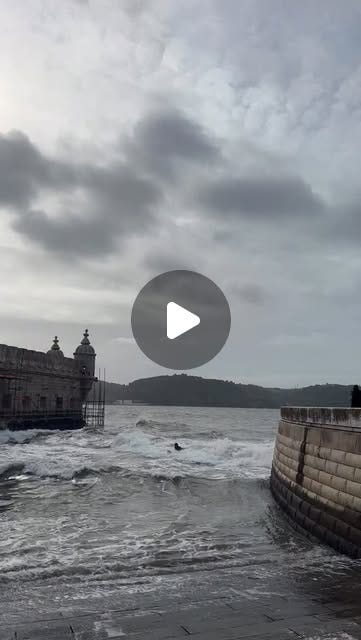
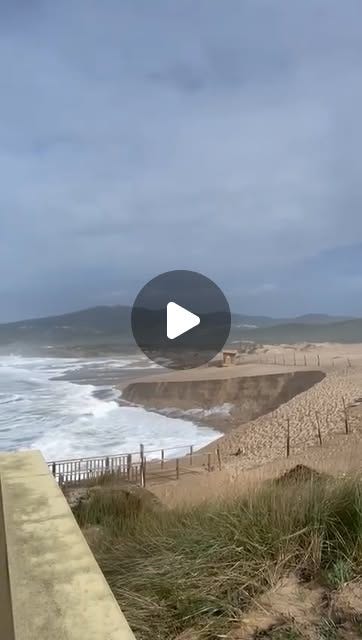
I can’t really stress enough how dangerous it is to go anywhere near the coast during storms like this. But when you’re a professional surf content creator (and the coast in question is literally the Tejo River) I guess it’s pretty safe.